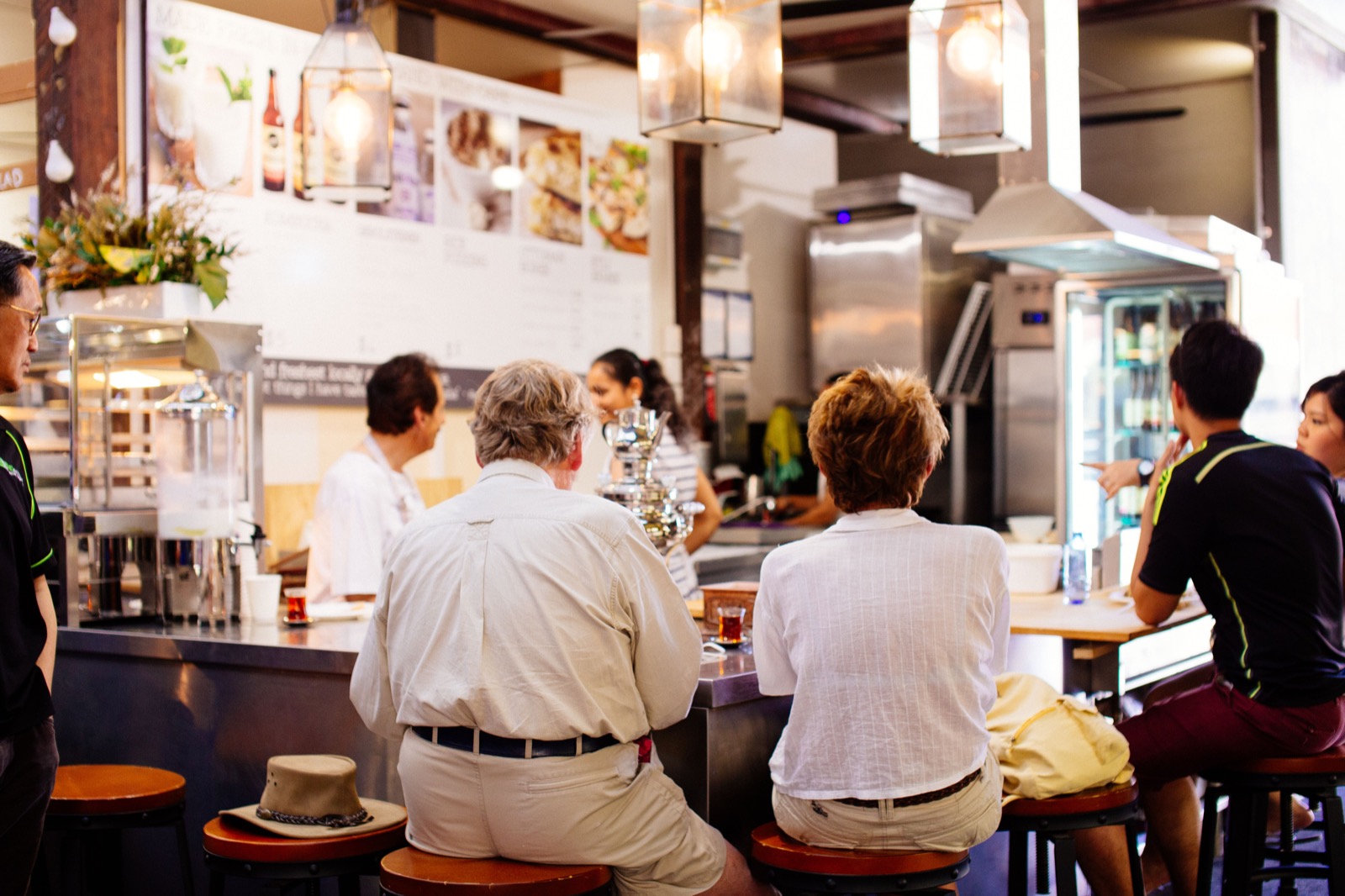
“We used to spend most of our finance team's time on data entry and reconciliation. After ccMonet, that's basically handled — the team can finally focus on analysis.”
 First Bowl, SingaporeRead the full customer story →
Receipts that arrive crumpled. Revenue from five different sources. Costs you cannot see until the month is over. ccMonet was built for exactly this.
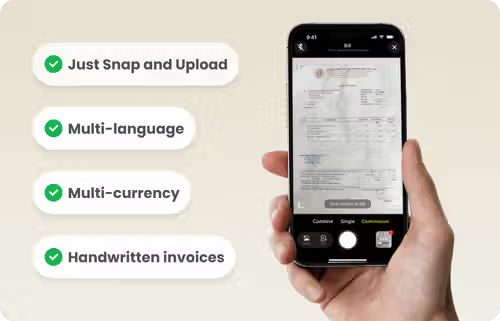
Handwritten delivery slips, mixed Chinese and English, crumpled in a pocket. Twenty SKUs on one piece of paper — items, quantities and unit prices — all captured the moment your store manager takes a photo.
“We used to spend most of our finance team's time on data entry and reconciliation. After ccMonet, that's basically handled — the team can finally focus on analysis.”
First Bowl, SingaporeRead the full customer story →“We used to wait weeks after month-end to see the full picture. Now we have it at the start of the month. For the first time, decisions are backed by actual numbers.”
 Shiok Burger, SingaporeRead the full customer story →
Dine-in POS, GrabFood, Foodpanda, Deliveroo and cash all settle into your bank differently. Commissions, promotions and service fees are buried inside net amounts. Until you untangle them, you do not know your real margin on any channel.

When every receipt is read on arrival and every transaction is reconciled daily, the books close every day — not at month-end. See food cost, revenue and margin right now, not in a report compiled weeks later.

Most restaurant accounting gives you totals. Totals tell you what happened, not why. When the data goes to SKU level and updates daily, you can answer the questions that actually change your business.
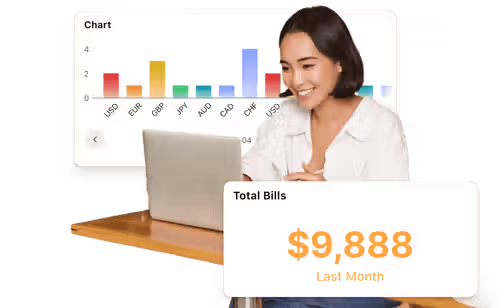
Labour is usually the second-largest cost after food. But most restaurants staff by habit, not data. When scheduling connects to sales, you see whether you are over-staffed on quiet shifts and under-staffed on peak ones.

Change nothing about your current setup. Point ccMonet at the same paperwork and see what comes back.